New to riding?
Prove you’re ready.
The Motorcyclist Training Course gives you the skills, control, and confidence to hit the streets with intention. Required for riders under 21, smart for everyone.
Is this course for me?
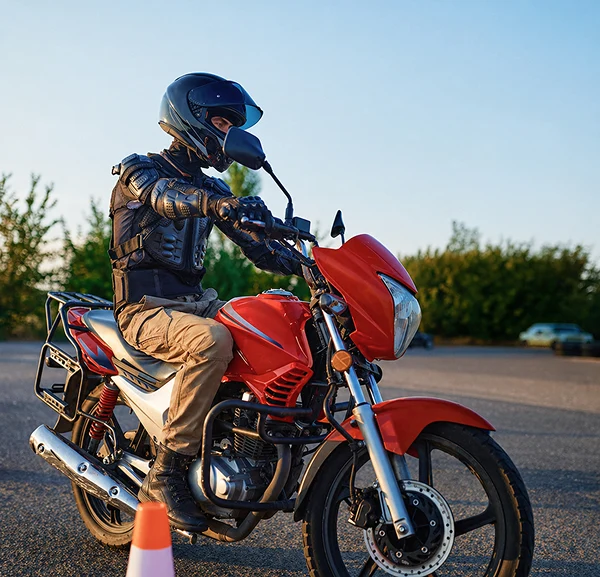
Whether you’re brand new or a returning rider with no formal training, this course is where you build the skills and confidence that holds up when it counts. All you need is basic bicycle riding skills and appropriate safety clothing; we can provide the rest.
Built for new riders and required if you’re under 21, the MTC gets you road-ready with real training, not just theory. You’ll spend five hours of classroom education learning about proper safety gear, motorcycle controls, riding techniques, current motorcycle laws, and motorcycle rider mentality.
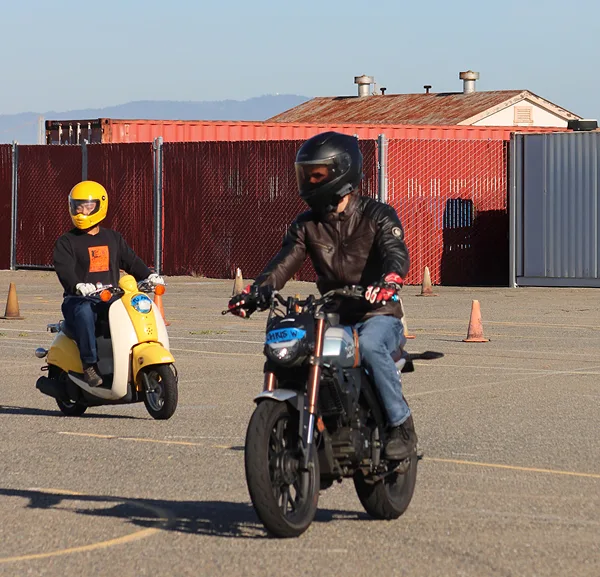
In addition to classroom education, you will also receive ten hours of practical training atop a motorcycle in a controlled environment. Training starts with control functions, working your way up to daily riding techniques. The MTC is built on current rider-safety research and modern training methods that help you think sharp and ride with intention.
If you know you’re ready to ride for real, this course lets you prove it. Upon successful completion of the MTC, you’ll earn your DMV DL389 skills test waiver.
Training Locations
Find a local training center near you
With over 100 CMSP locations across California, it’s easy to start building your skills close to home. More than 1.5 million riders have trained with us: search by zip code, choose your distance, and find the course that fits your ride.
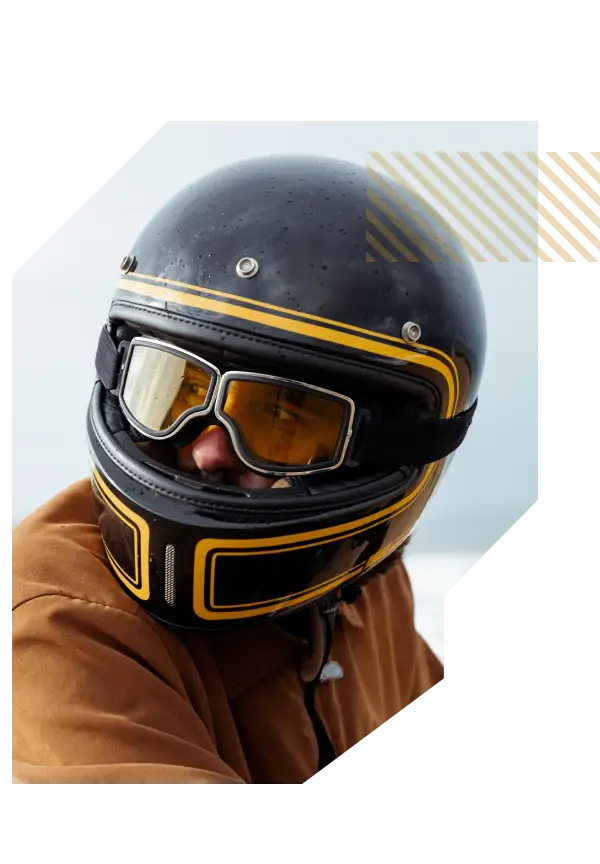
Helmet
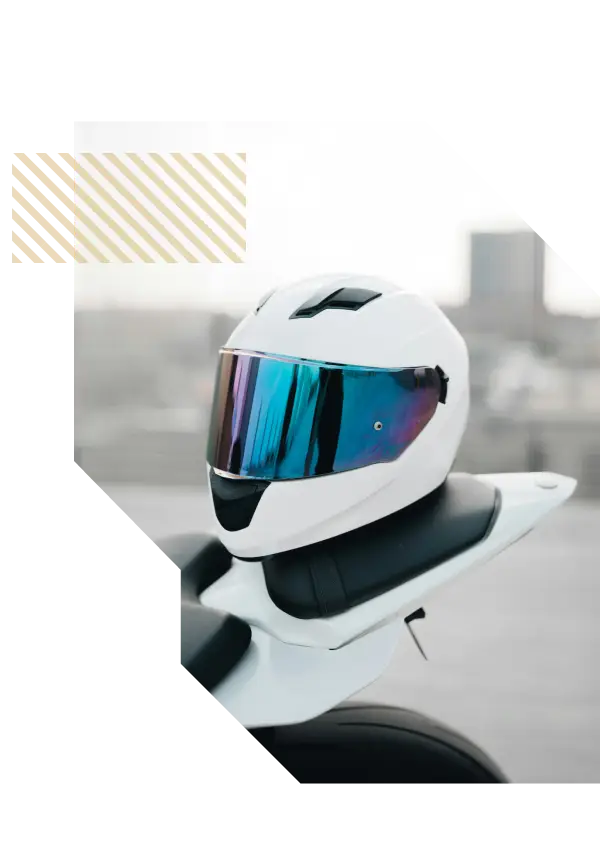
Full-face or 3/4 DOT-compliant helmets are preferred. Half helmets are prohibited. Personal helmets are subject to inspection for DOT-compliance and to make sure that they are in good working condition.
eye protection
Face shields on helmets, goggles or some form of sun/eyeglasses. They may be tinted or clear. Ordinary prescription glasses may be worn.
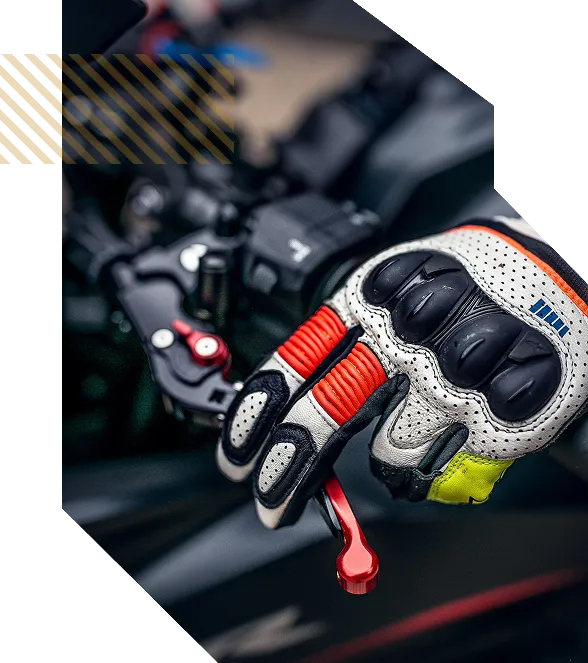
gloves
Must be full finger and cannot be open on the back of the hand. They must be street-motorcycle specific and/or durable leather. Mechanics gloves, batting gloves, Mom’s dishwashing gloves and surgeon’s gloves are NOT acceptable.
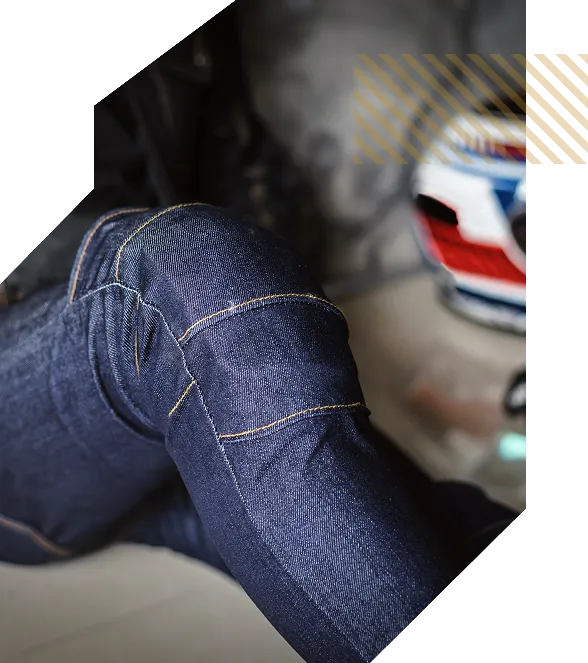
Pants
You must wear long, durable pants. No exceptions. Denim, textile or leather jeans are preferred. All pants must have no holes and must cover the ankles while seated on the motorcycle, not just while standing. Spandex or cotton leggings are not acceptable.
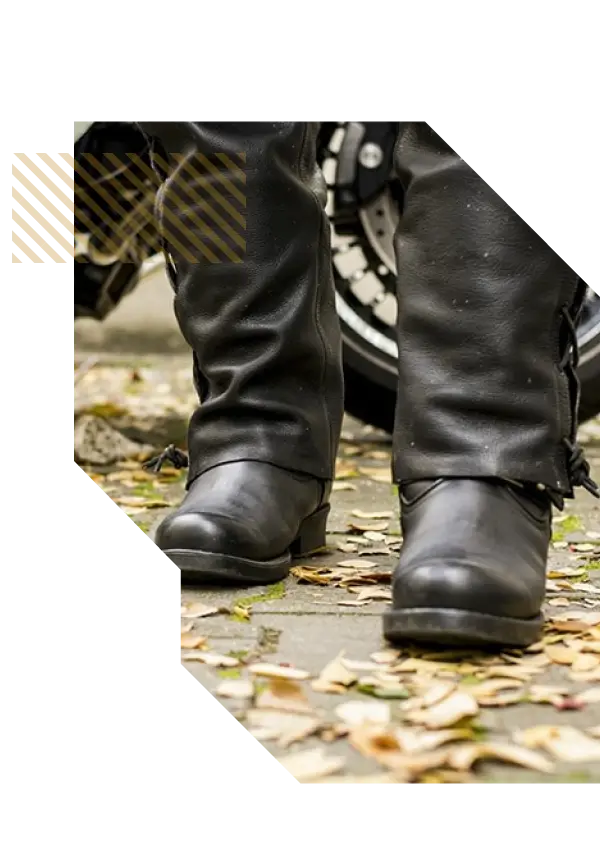
Shoes/boots
Athletic or hiking shoes should offer reinforced ankle support, with boots being the preferred choice. Look for footwear with a solid rubber sole, and avoid heels taller than those on a typical work boot. Thin fabric shoes like Converse All Stars or dress shoes DO NOT meet these requirements.
Jacket
Durable leather or textile jacket (armored, motorcycle-specific is preferred) or a long sleeve shirt that covers the wrist is acceptable. (Shirts alone will barely protect you in an accident!) A motorcycle riding jacket is required for the 1-Day Premier Course.
Hear from our graduates
Real experiences from motorcyclists who transformed their riding skills
Motorcycle Instruction Permit Requirements for Riders Under 18
California law requires riders under the age of 18 to complete a motorcycle training course approved by the California Highway Patrol. This training must be taken at a California Motorcyclist Safety Program training site.
The course must be completed before a motorcycle instruction permit can be issued. After receiving the permit, the rider must hold it for 6 months before becoming eligible for a Class M motorcycle endorsement.