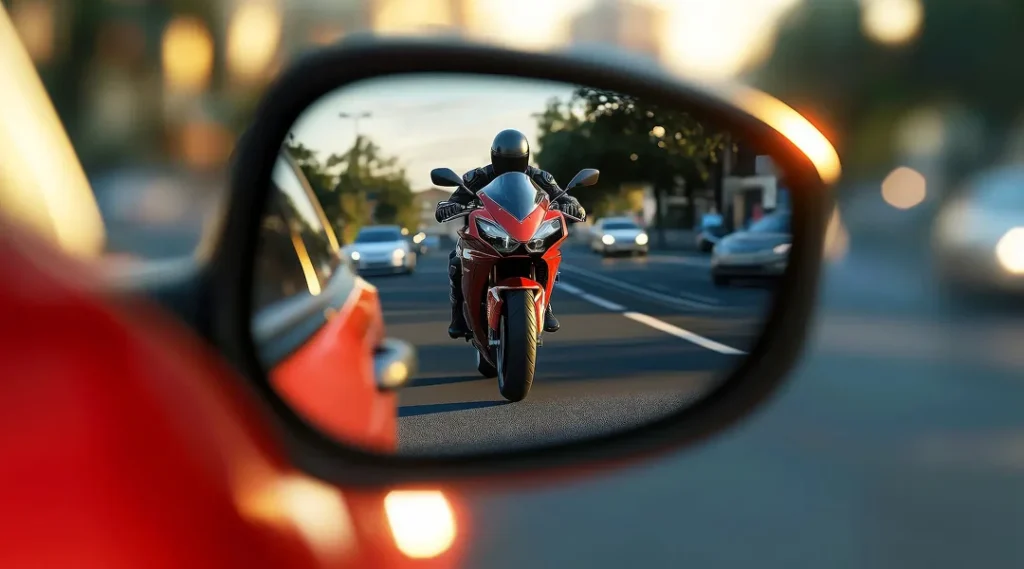
Riding a motorcycle is freedom with consequences. The fun part gets all the attention. The safety part is quieter, less flashy, and way more important. Gear is not about looking tough or buying the most expensive jacket in the store. It is about giving your body a fighting chance when physics stops being polite.
This guide breaks down motorcycle safety gear piece by piece. What to buy. What to skip. How it should fit. Why fit matters more than brand names or trends. No scare tactics. No fluff. Just real-world riding logic.
Why Motorcycle Gear Is Not Optional
Every ride is a math problem you do not get to solve ahead of time. Speed, traction, traffic, weather, and human error. Gear exists to stack the odds in your favor.
Skin does not slide well on pavement. Bones do not bounce. Gear absorbs impact, reduces abrasion, and keeps your body aligned when things go sideways. Comfort matters too. Distracting gear leads to bad decisions. Bad decisions lead to crashes.
Good gear lets you focus on riding instead of fighting your jacket zipper at 45 mph.
Helmet Standards and What DOT Compliance Actually Means
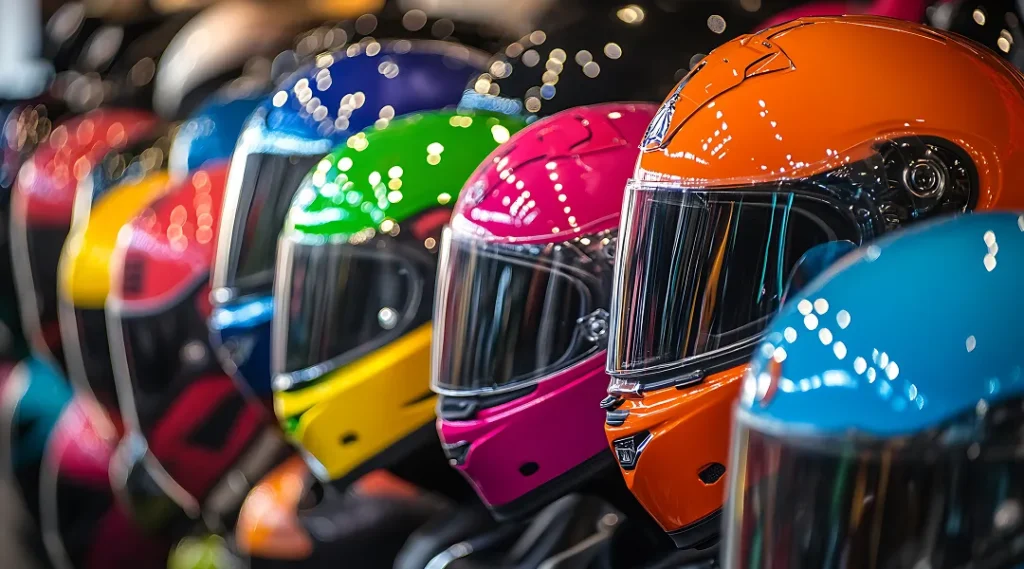
If you buy one thing right, make it the helmet. This is not the place to cut corners.
In the U.S., helmets must meet standards set by the U.S. Department of Transportation. A DOT sticker means the helmet passed impact, penetration, and retention testing. No sticker, no deal.
Full-face helmets offer the most protection. Your jaw is fragile, and pavement is not forgiving. Modular helmets are a compromise. They are only DOT compliant when fully closed while the motorcycle is in motion. Riding with a modular helmet open increases leverage on the neck and may increase injury risk during low-speed or zero-speed falls. Open-face helmets leave a lot exposed.
Fit matters more than weight or paint. The helmet should be snug all the way around. No pressure points. No wobble when you shake your head. If it slides, it is too big. If it hurts after ten minutes, it is too small.
Fasten the strap every ride. A loose helmet is a decoration, not protection.
Motorcycle Jackets That Protect More Than Your Ego
A hoodie is not a jacket. Neither is a fashion leather coat.
Real motorcycle jackets are built for impact and abrasion. Look for armor in the shoulders, elbows, and back. CE-rated armor absorbs force instead of transferring it to your joints.
Materials matter. Leather resists abrasion best. Textile jackets trade some abrasion resistance for flexibility, airflow, and weather protection. Both work if they are built for riding.
Fit is critical. Armor needs to stay in place when you move. If the sleeves ride up or the shoulders shift, protection drifts away from the spots that need it most.
Zippers should not flap. Collars should not choke you. If you feel restricted, you will stop wearing it.
Gloves That Save Your Hands and Your Grip
Hands hit the ground fast in a crash. Instinct takes over. Palms down. Wrists bent. Gloves are non-negotiable.
Look for full-finger gloves with palm sliders and knuckle protection. Reinforced palms reduce friction and help prevent wrist injuries. Good gloves also improve control by reducing vibration and fatigue.
Fit should be snug without cutting off circulation. Loose gloves bunch up. Tight gloves distract. You should be able to operate every control without thinking about your hands.
Season matters. Summer gloves breathe. Cold-weather gloves insulate. Wet gloves ruin focus. Own more than one pair.
Boots That Support Ankles, Not Just Style
Regular boots are not motorcycle boots. Fashion boots collapse. Riding boots reinforce.
Motorcycle boots protect ankles, shins, and feet from twisting forces. Look for ankle cups, stiff soles, and reinforced toe boxes. Laces should be minimal or covered so they do not catch on pegs or controls.
Boots should be comfortable to walk in, but built to ride in. If your ankle feels floppy, keep shopping. If shifting feels awkward, adjust or size down.
Feet matter more than people admit. A bad ankle injury ends riding seasons fast.
Riding Pants That Actually Do Their Job
Jeans alone offer almost zero abrasion resistance. That is not an opinion. That is physics.
Motorcycle pants use leather, reinforced textiles, or Kevlar-style liners to protect skin. Many include knee and hip armor. That armor needs to sit exactly where your joints are.
Fit them while seated. Pants that feel fine standing up may pull tight when you bend your knees. If armor floats around, it will not help when you need it.
Riding pants are not about looking cool at coffee stops. They are about walking away later.
How Proper Fit Changes Everything in a Crash
Loose gear shifts on impact. Tight gear restricts movement and blood flow. Both fail when it matters.
Armor works only if it stays put. Jackets and pants should hug your body without squeezing it. Helmets should stay planted. Gloves should not twist. Boots should lock your ankles in place.
Comfort is part of safety. The gear you hate wearing ends up left at home. Sweat, pressure points, and restricted movement all chip away at focus.
Try gear on with riding posture. Sit. Reach. Twist. If it feels wrong in the store, it will feel worse at speed.
Building a Gear Setup That Matches How You Ride
City riding. Highway commuting. Weekend canyon runs. Each has different needs.
Urban riders need visibility and airflow. Commuters need weather protection. Long-distance riders need comfort for hours. There is no universal setup.
Start with protection. Then layer for climate. Then fine-tune comfort.
Do not buy everything at once if your budget is tight. Helmet first. Gloves and jacket next. Boots and pants after. Build smart, not fast.
Ride Smarter With Training From the California Motorcycle Safety Program
Gear protects you when things go wrong. Skills help prevent things from going wrong in the first place.
The California Motorcycle Safety Program teaches riders how to use their gear correctly, position their bodies for control, and make smarter decisions in real traffic. Fit matters. Technique matters. Awareness matters.
Courses cover beginner basics and advanced riding strategies, all grounded in real-world riding conditions. Riders who train ride longer, safer, and with more confidence.
Good gear plus good training is the strongest combo you can give yourself on the road.
FAQs:
What is the most important piece of motorcycle safety gear?
The helmet. A properly fitted, DOT-compliant helmet offers the biggest reduction in serious injury risk.
How tight should motorcycle gear fit?
Snug but not restrictive. Armor should stay in place without cutting off movement or circulation.
Can I wear regular jeans and boots while riding?
Regular clothing offers minimal protection. Motorcycle-specific pants and boots are designed to handle impact and abrasion.